Doodle Fill: A Playful Display Font for Editorial Design
As someone who crafts blogs, digital magazines, and printable guides—where every typographic choice shapes tone, trust, and attention—I’ve grown selective about display fonts. They must do more than look striking; they need to serve intention. Doodle Fill stands out precisely because it merges expressive energy with editorial utility. It’s not just a decorative typeface—it’s a visual voice that invites readers in before they read a word.
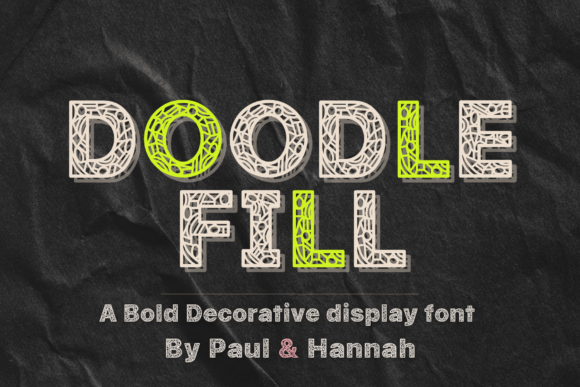
At its core, Doodle Fill is a bold display font built from hand-drawn abstraction. Each glyph pulses with intricate line textures—wobbly contours, looping flourishes, and irregular negative space—that evoke sketchbook spontaneity without sacrificing clarity. Unlike many playful fonts that sacrifice legibility at larger sizes, Doodle Fill maintains strong character distinction even at 48pt or higher. That makes it unusually versatile for editorial use: it works where whimsy meets weight—on covers, chapter openers, pull quotes, and branded headers—without tipping into visual noise.
In magazine design, Doodle Fill excels as a cover anchor. Its tactile, almost tactile quality gives print and digital editions a distinct personality—think of a quarterly lifestyle publication using it for the issue title over a muted photo background. In ebooks and newsletters, it adds rhythm: a recipe ebook might set section headers like “Summer Salads” or “Weeknight Bakes” in Doodle Fill, then drop into a warm serif body font for ingredient lists and instructions. That contrast creates breathing room—and signals shifts in content hierarchy intuitively.
For creators building digital products—workbooks, coaching guides, printable planners—Doodle Fill strengthens brand identity through consistency. Use it for worksheet titles (“Mindful Morning Prompts”), section dividers (“Your Action Plan”), or quote graphics pulled from interviews. Because each letter carries unique texture, repeated use builds recognition without repetition feeling monotonous. It’s especially effective in lead magnets where first impressions matter: a downloadable wedding planning checklist gains warmth and approachability when its headline bears Doodle Fill’s organic confidence.
Readability across formats remains a priority. On screen, Doodle Fill performs best at headline sizes (36–96pt), where its abstract details resolve cleanly on retina displays. For PDF exports—common in ebooks and printable guides—embed the font properly and test rendering across Acrobat, Preview, and mobile readers. In print, its high-contrast strokes reproduce well at standard DPIs, though avoid using it below 24pt in physical layouts where fine line work may blur. Mobile newsletter previews benefit most when Doodle Fill appears in hero banners or social media graphics—not body text—so always pair it with a highly legible sans serif for captions and navigation links.
Font pairing is where Doodle Fill reveals its editorial maturity. Think of it as the expressive counterpoint to grounded typography. Pair it with a crisp, neutral sans serif—like Inter, Poppins, or Helvetica Neue—for subheads, bylines, and UI elements. For long-form blog posts or magazine features, layer it over a warm serif—such as Merriweather, Lora, or PT Serif—for body copy. That combination balances energy and ease: Doodle Fill grabs attention, while the serif sustains it. Avoid pairing it with other decorative fonts (script, handwritten, or heavily textured) unless intentionally creating layered visual contrast for a specific graphic—like a festival poster or workshop invitation.
Check what’s included before licensing. Most Doodle Fill packages offer OpenType features including stylistic alternates and ligatures—small but meaningful touches that let you refine rhythm and spacing in headlines. If your audience spans multiple languages, verify Latin Extended-A support for accented characters used in French, Spanish, and German publications. While Doodle Fill isn’t intended for multilingual body text, its coverage ensures flexibility for bilingual covers or translated quote graphics.
Licensing matters—especially for creators monetizing content. Doodle Fill is a commercial font, meaning usage rights vary by format and distribution. For ebooks sold on Amazon or Gumroad, ensure your license permits embedding. For paid newsletters or client-branded templates, confirm whether the license covers derivative digital assets. Printables distributed via Etsy or your own site typically require a desktop + web license if hosted online—even if downloaded as PDFs. When in doubt, consult the foundry’s terms: reputable vendors clearly outline permissions for templates, SaaS tools, and resale rights.
Practical examples bring this to life. A wellness blogger uses Doodle Fill for podcast episode titles in Instagram carousels, then switches to a clean sans for timestamps and guest names. A digital magazine on sustainable living applies it to recurring column headers—“Field Notes,” “Maker Spotlights”—creating instant visual continuity across issues. A course creator building a branding workbook sets exercise titles (“Define Your Voice”) in Doodle Fill, then pairs them with a minimalist mono-spaced font for code-like prompts and reflection spaces. In each case, the font does more than decorate—it structures experience.
What makes Doodle Fill editorially valuable isn’t just its aesthetic—it’s how thoughtfully it occupies space. It doesn’t shout; it leans in. It doesn’t distract; it directs. In an era where readers scroll past anything that feels generic or overly polished, Doodle Fill offers authenticity with intention—a display font that feels human-made, not algorithmically generated. And for publishers, designers, and independent creators building recognizable, resonant content brands, that kind of thoughtful distinction is rare—and essential.