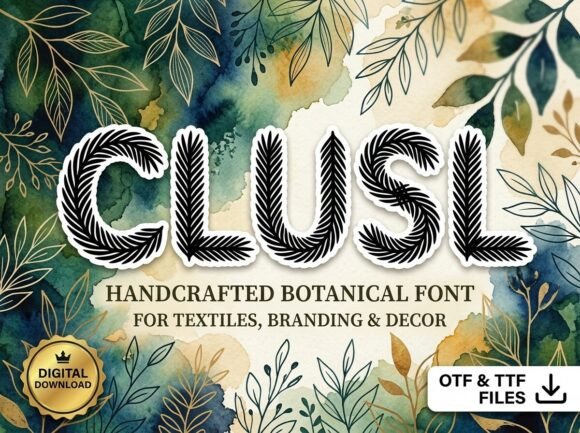
Clusl: A Display Font That Makes Your Brand Instantly Memorable
Last Tuesday, I was helping a local candle maker update her jar labels—simple white kraft paper, black ink, minimal layout. She’d been using a free font she found years ago, but something felt “off”: the lettering lacked presence, and customers kept mistaking her small-batch lavender scent for “lavender & mint” just because the ampersand blurred into the ‘n’. We swapped in Clusl, typed “Lavender | Slow Burn”, and suddenly—there it was. Not just legible, but *intentional*. Like the brand had quietly grown up.
What Clusl Actually Feels Like in Real Business Use
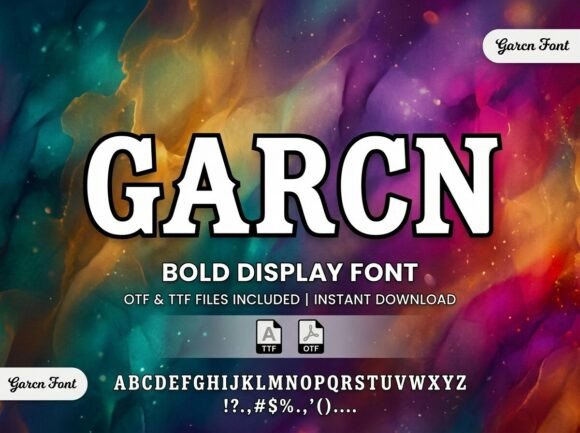
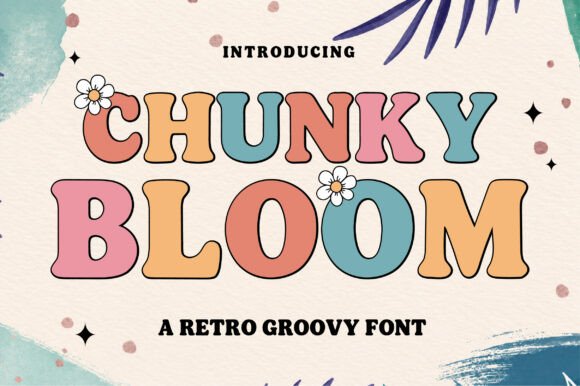
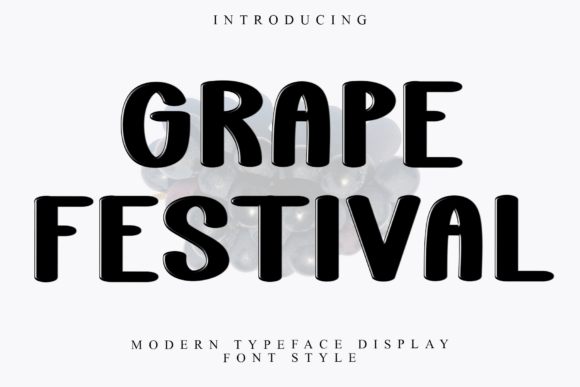
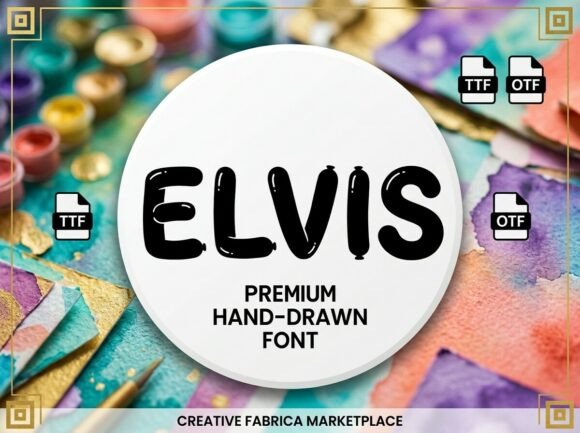
Clusl is a display font—not meant for paragraphs or fine print, but for moments that need to land: your shop name on a banner, the scent name on a candle label, the headline on a thank-you card tucked into a boutique order. It’s bold without being loud, artistic without being fussy. Think of it as the confident friend who walks into a room and doesn’t need to speak first—just *is* there, with quiet authority.
The characters have subtle irregularity—soft curves, gentle asymmetry, and intentional weight shifts—that give Clusl warmth and humanity. It’s not sterile. It’s not overly ornate. It’s got rhythm: the lowercase ‘a’ has a soft open bowl, the uppercase ‘C’ wraps like a slow exhale, and the ‘S’ flows with a gentle swell. That kind of detail doesn’t shout—but it *lingers*. And in branding, lingering is where recognition begins.
Where Clusl Shines (and Where to Hold Back)
We tested Clusl across six real touchpoints:
- Product labels: Perfect for scent names, flavor titles, or collection headers—especially on matte paper or kraft tags where its texture reads beautifully.
- Menu headers: A café owner used Clusl for “Today’s Special” above a handwritten daily special list—immediately elevated the whole board without competing with the food descriptions.
- Instagram story banners: Paired with a clean sans serif for body text, Clusl gave her seasonal promo (“Summer Glow Kit”) instant visual hierarchy—even at thumbnail size.
- Thank-you cards: Printed on thick cotton stock, Clusl’s strong letterforms held crisp detail without ink bleed.
- Online shop banners: On her Shopify homepage, “Hand-Poured • Small Batch • Made Here” in Clusl anchored the hero image and made scrolling feel purposeful.
- Stickers & tags: At 14–18pt on a 2” x 1” hang tag, it remained highly readable—just avoid going smaller than 12pt on physical goods.
Clusl isn’t built for long blocks of text—and that’s by design. It’s a display font, so use it where you want focus, emotion, or distinction. Never for ingredient lists, shipping policies, or footer disclaimers. Save those for a friendly sans serif (more on pairing below).
How Typography Quietly Builds Trust
Here’s what most small business owners don’t realize: customers decide whether your brand feels “professional” or “handmade-but-considered” within 0.3 seconds—and typography is one of the fastest cues. A shaky, overused free font whispers “I didn’t invest time here.” Clusl whispers something else: “This matters to me. So it should matter to you.”
It’s not about luxury—it’s about consistency. When your Instagram post, your product label, and your website banner all share the same confident voice in Clusl, customers begin to recognize your brand before they even see your logo. That’s how visual memory forms. That’s how repeat buyers happen.
Smart Pairings & Practical Tips Before You Install
Clusl loves company—but only the right kind. We consistently paired it with:
- A warm, neutral sans serif (like Inter, Poppins, or Montserrat) for body text, pricing, and details—clean contrast without visual noise.
- An elegant serif (think Playfair Display or Cormorant Garamond) for refined contexts—say, a skincare brand’s “Ingredients” section or an artisan bakery’s “Our Story” page.
- A light script or handwritten font—for decorative accents only (e.g., “hand-poured” beneath the main scent name), never as equal weight.
Before downloading Clusl, check what’s included: most versions offer OpenType features like stylistic alternates and ligatures—great for avoiding awkward letter collisions (like “ff” or “tt”). Also verify file formats (.otf/.woff2), multilingual support if you serve diverse communities, and crucially—commercial licensing. Clusl is a premium font, and its license covers use on packaging, digital ads, client work, and merch—no hidden restrictions, no surprise fees.
And one last note: test early, test often. Print a label mockup at actual size. Zoom in on your phone screen. Check how it looks next to your logo colors. Clusl works best when it’s given space to breathe—so pair it with generous margins, thoughtful line spacing, and intentional color contrast (deep charcoal on cream, navy on off-white, forest green on tan). No need to force it into every corner. Let it do the heavy lifting—where it counts.